
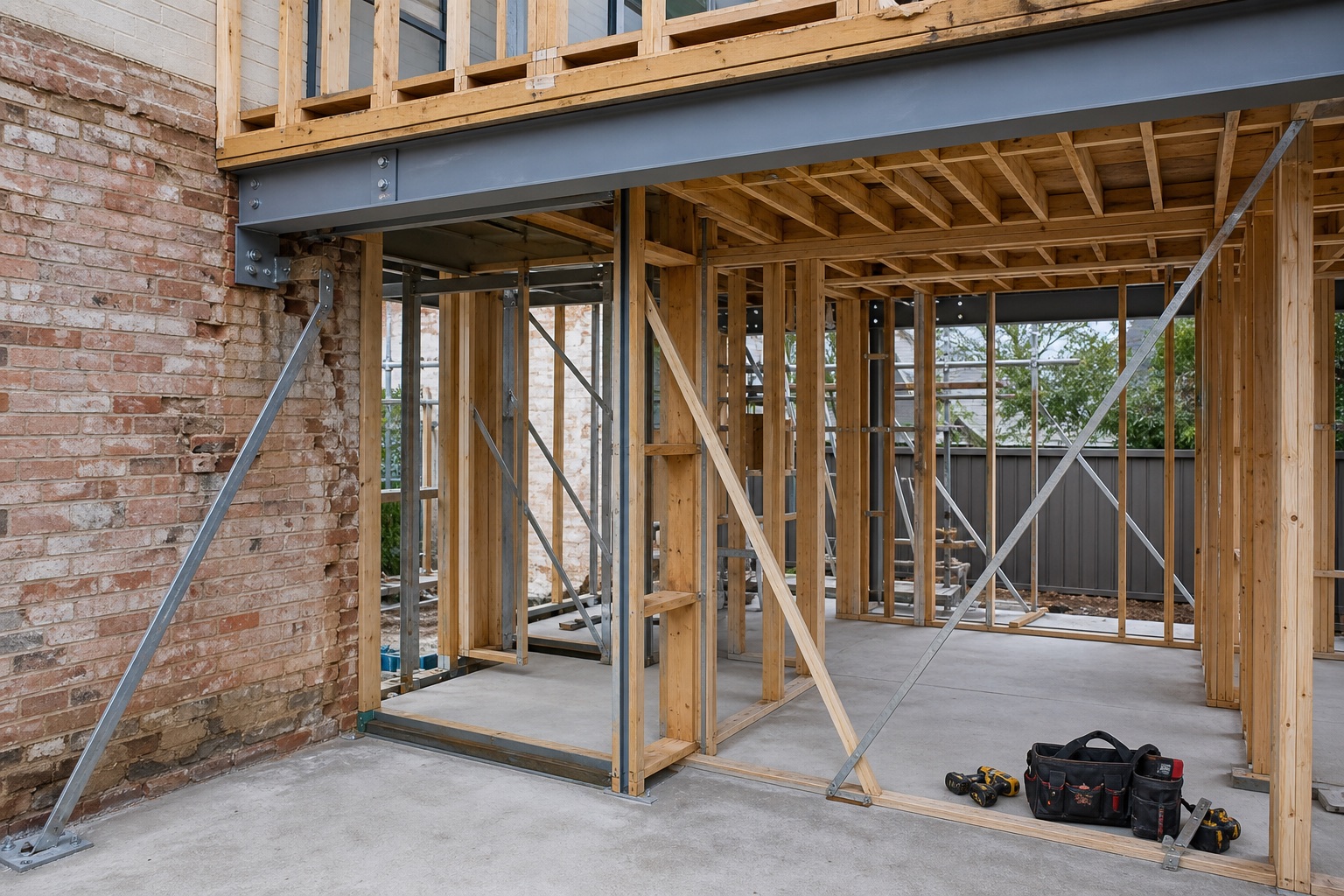
Sydney Home Extensions
For North Shore and Eastern Suburbs families who need more space but do not want to move, we check the land, approval pathway, design and build cost before you commit to drawings.
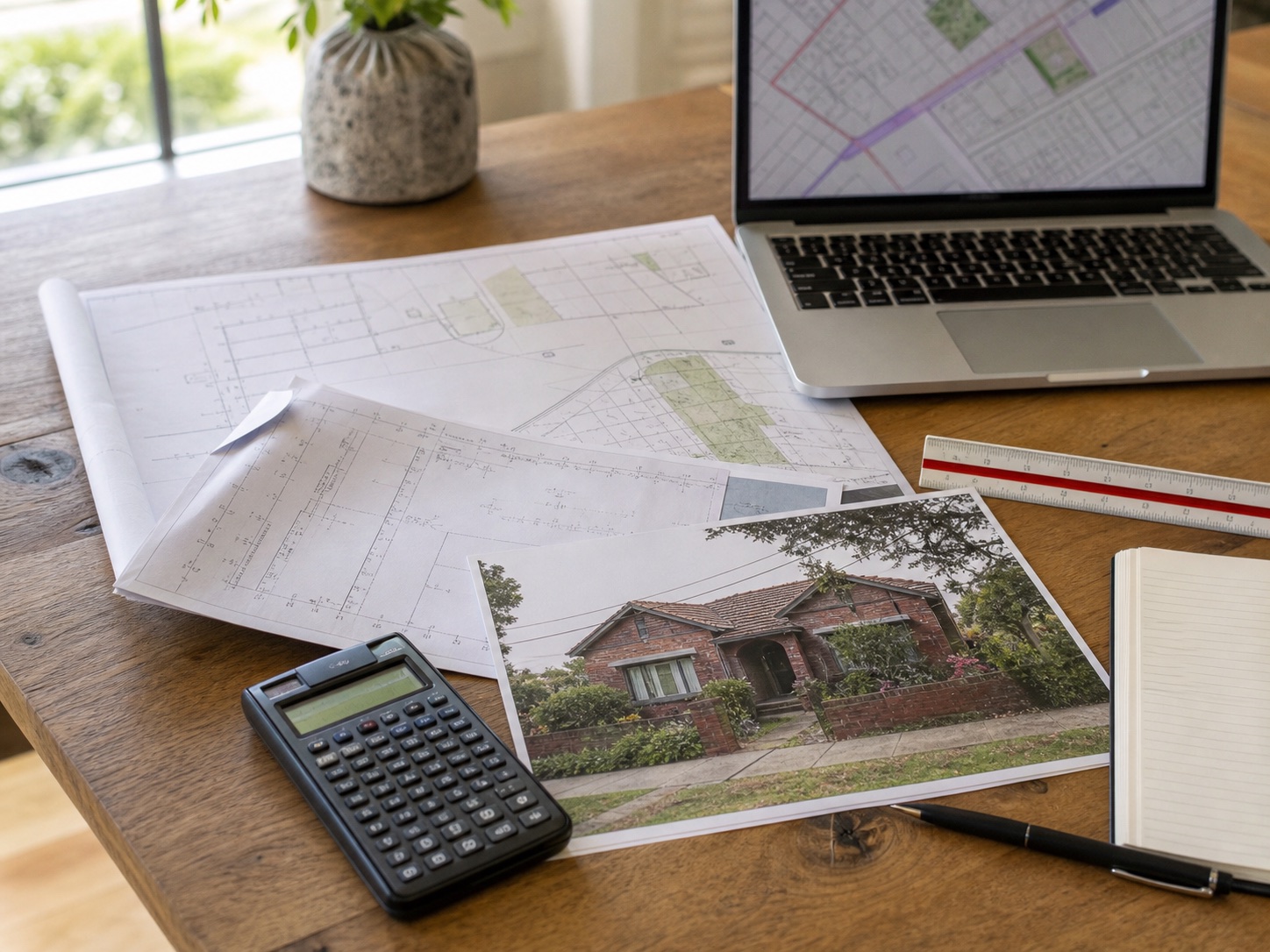
Land-First
Most families are not looking for a planning lecture. They need to know whether a second storey, rear extension, granny flat or dual-occupancy pathway is actually realistic for their block, their council and their budget.
We start with what your land can support — zoning, FSR, setbacks, structure, access and approval risk — then design the extension around a pathway that can be approved and built.
Old Way vs New Way
Spend $20,000+ on drawings before knowing whether council, structure or budget will support the idea.
Check NSW planning data, lot constraints, structure and build logic before design commitment.
Submit blindly, then lose months to redesigns, objections and unclear council feedback.
Test CDC where suitable and design with DA constraints in mind from day one.
Design ambition drifts ahead of build cost, leading to painful scope cuts or variations later.
Builder practicality enters early, so design, materials, access and staging are aligned before site starts.
Architect, planner and builder each own separate pieces, and the homeowner carries the gaps.
Feasibility, design coordination, approval strategy and licensed construction sit under one accountable team.
Three Pathways
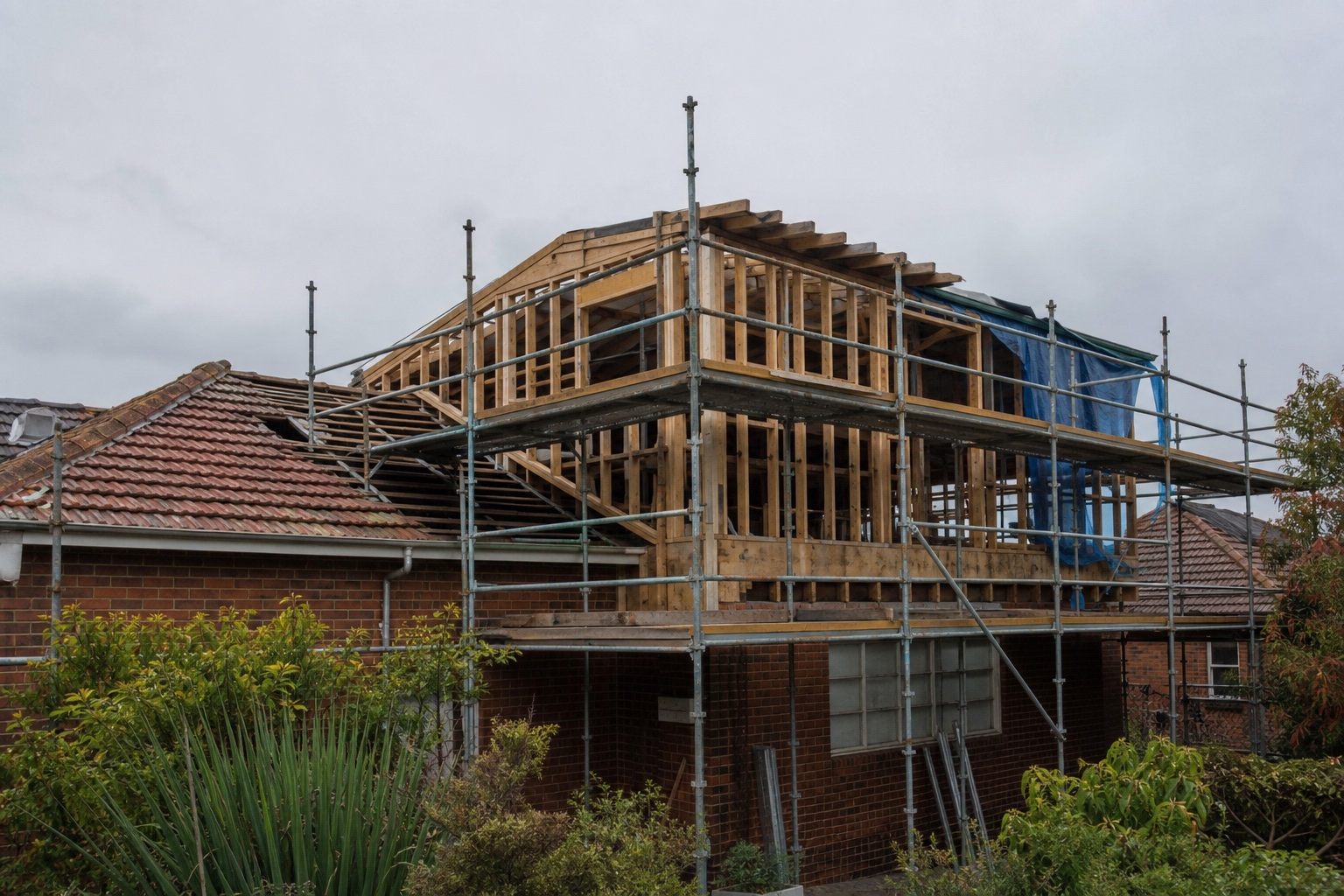
Add Up
Add a whole level and keep the street, school and neighbours you chose. Ideal where land is scarce but position is prime.
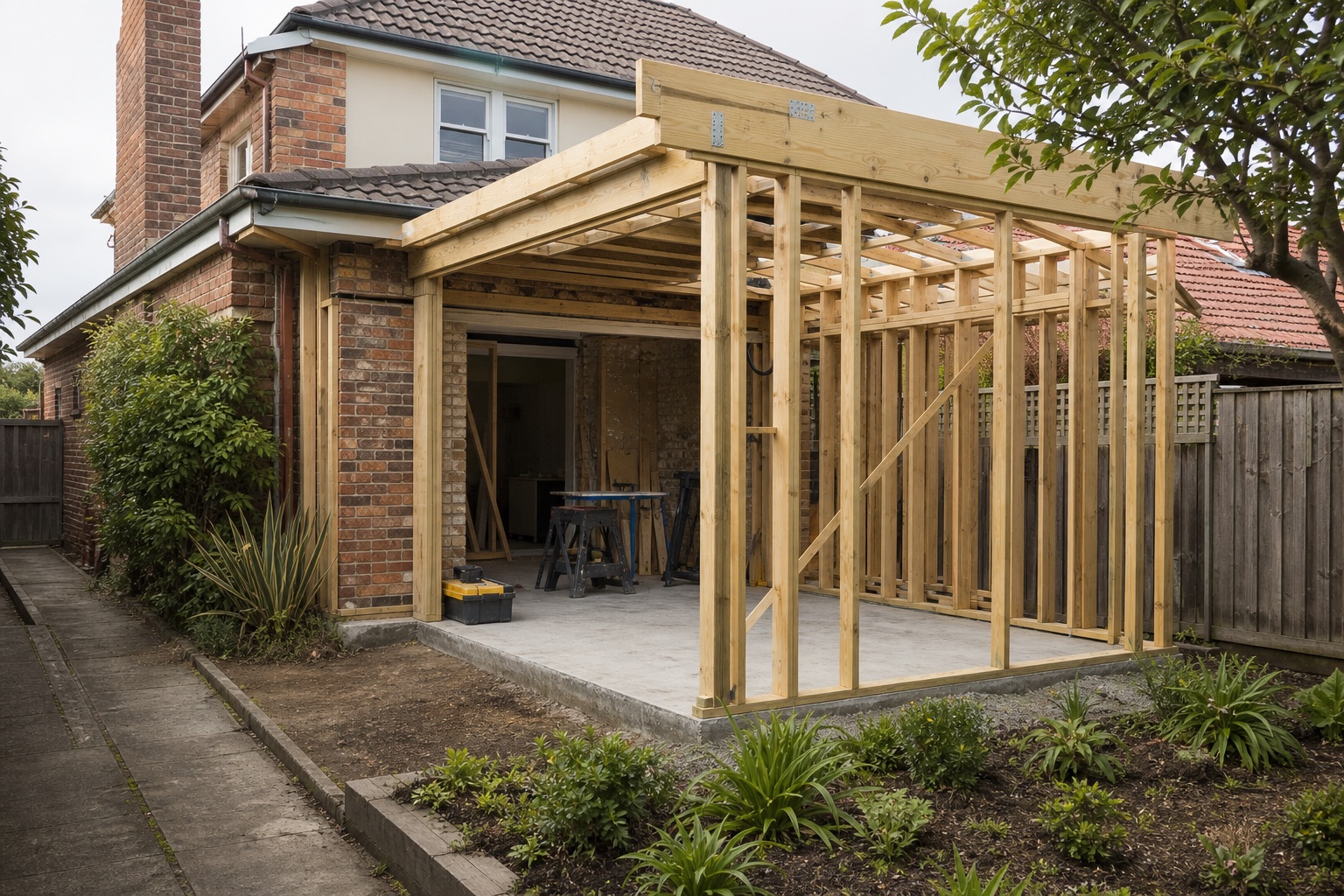
Add Out
Open up how the home lives — light, flow and a real connection to the backyard, blended seamlessly with the original home.
Add Dwellings
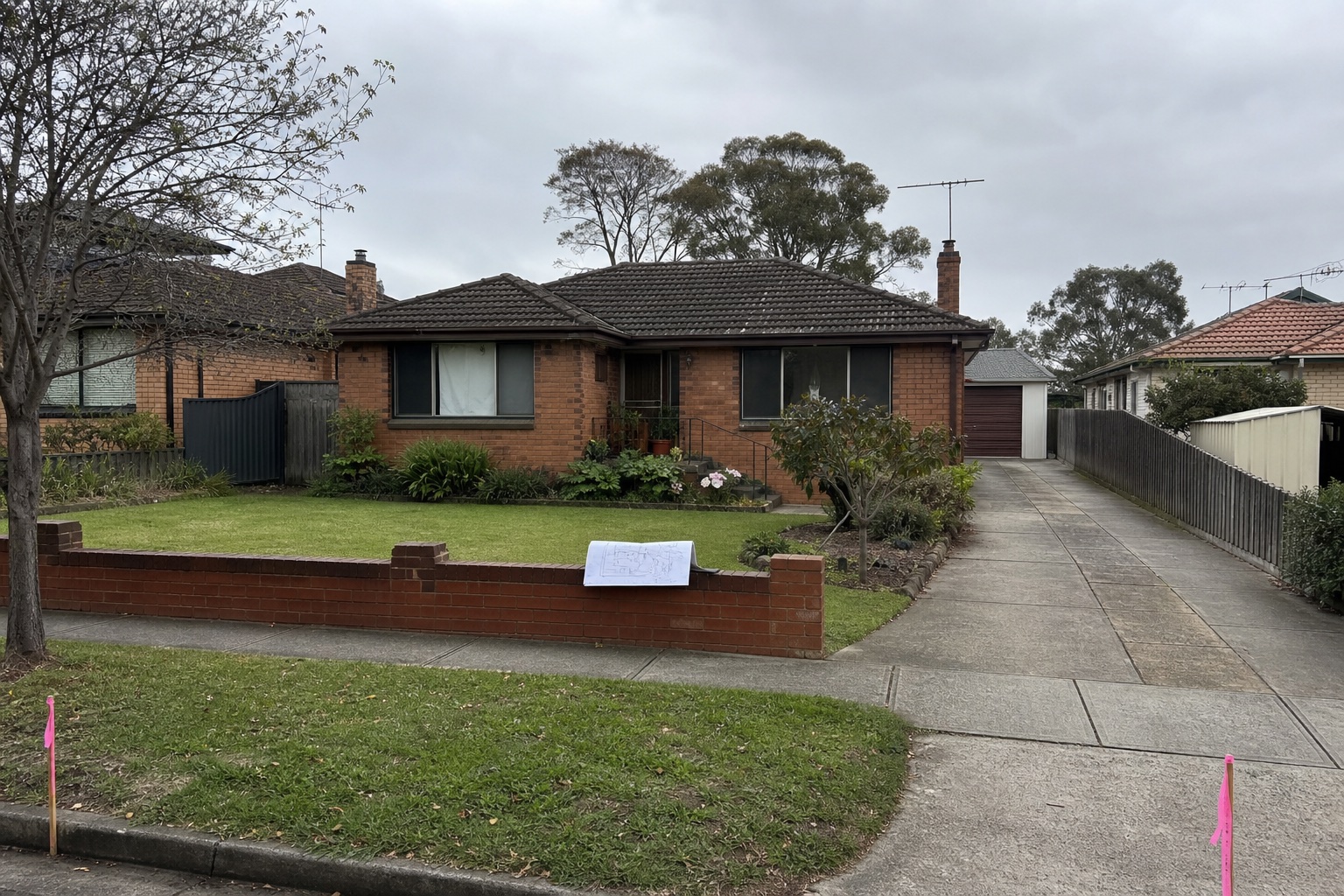
Two dwellings from one block — duplex, semi-detached or a granny flat. The biggest value lever when your land allows it.
Our Process
Site capability, zoning and FSR, future potential.
Foundations, load-bearing, engineering.
Design, budget and timeline aligned to value.
Licensed oversight, reporting, variation control.
Extension FAQ
Some extensions can use CDC, while others need DA. The right pathway depends on zoning, lot size, setbacks, height, heritage, tree controls and whether the design meets the State Environmental Planning Policy requirements. We check this before drawings go too far.
A square-metre estimate is only a rough guide. Structure, access, slope, drainage, finishes, temporary works and whether you are adding up or out usually affect the budget more than floor area alone. GY & Co tests build logic before design commitment.
Yes, GY & Co can manage the pathway under one accountable team. We begin with land feasibility, then move into approval strategy, design coordination and licensed construction when the project should proceed.
Free 60-second property potential report. No aggressive sales calls. Just objective planning data and a clear next step.
Check My Extension Feasibility (60 Secs)2026 Planning Context
NSW land values reached $3.09 trillion at 1 July 2025, based on more than 66,000 property sales analysed by the Valuer General.
Source: NSW Valuer General.
NSW Low and Mid-Rise standards use 450sqm minimum lot size, 12m minimum width and 0.65:1 FSR for dual occupancies in eligible areas, subject to zoning, site constraints, local controls and applicable planning provisions.
Source: NSW Planning.
Cotality reported Sydney dwelling values fell 0.9% in May 2026, making feasibility and approval certainty more important before major capital spend.
Source: Cotality HVI June 2026.